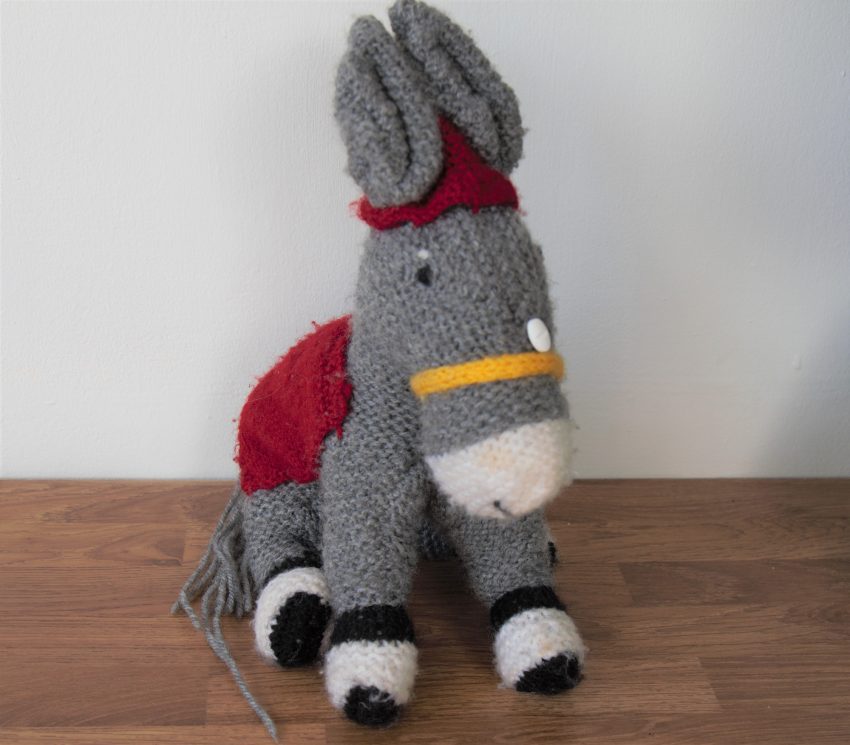
 Dizzy and I have not had the best time with our MS recently. After our relapse after Easter last year, we had a further MRI in November, which showed another relapse and further new lesions.
  This means we are now being bumped into the highly effective level of medications available, with our choice being between Ocrevus and Kesimpta.
Now this decision we have found a little confusing, as these two treatments are very similar, and to help us decide Dizzy has been doing a lot of research into how each one works and the pros and cons. For anyone who stumbles across this post, we are not specialists (although Dizzy will tell you that she is a neurologisty donkey!  ), and the pros and cons that apply to us, may not apply to others.
Also, please let us know if you have anything to add to these. We always love to hear other peoples experiences/opinions. If you are also having the same tricky decisions as us, let us know! And hopefully this little post will be of some help to you too.

Ocrevus (Ocrelizumab)
How does it work?
It works by targeting a marker of the surface of B white blood cells (a type of lymphocyte). Once it finds these cells, it then destroys them, which means they cannot go on to be naughty and attack the central nervous system.
Who can take it?
Ocrevus is for people with relapsing remitting MS and primary progression MS (currently the only treatment for this kind of MS).
For RRMS, it is an highly effective drug, and is seen as a high level form of treatment. It is for people who has active or very active MS.
How do you take it?
Ocrevus is a six monthly infusion. This means you do need to spend the day in hospital, where the infusions will take several hours. It is only twice a year though, so it does enable people to carry on, without thinking about their treatment the rest of the time.
What are the benefits?
Ocrevus reduces relapses by about 70% (some say as high as 78%) and disability by 50%.
What are the side effects?
- Infusion related reactions, such as headaches, rashes, sickness and fever
- Increased chances of infections
- Flu
- Bronchitis
It is also common for people to have a small period of feeling a little rubbish just before an infusion. This is immediately rectified with the next dose of treatment though.
Kesimpta (Ofatumumab)
How does it work?
Kesimpta is very similar to Ocrevus, so this part is the same  : It works by targeting a marker of the surface of B white blood cells (a type of lymphocyte). Once it finds these cells, it then destroys them, which means they cannot go on to be naughty and attack the central nervous system.
Who can take it?
Kesimpta is for people with active and very active elapsing remitting MS..
Like with Ocrevus it is seen as a highly effective form of treatment, and has been proven to reduce the number of relapses and slow down the build-up of disability.
How do you take it?
Kesimpta is a monthly self-injection that you can do a home. It is delivered to you in pre-filled automatic injection pens (there is no manual injectable option for administration)..
The first three weeks are a little different, called the loading weeks, as they require one injection per week.
What are the benefits?
Kesimpta reduces relapses by about 70%.
What are the side effects?
- Injection site reactions (itchiness, pain, swelling and redness)
- Increased chances of infections
- Chest infections
- Head colds
- UTIs
It is also common for people to have flu like symptoms during the first three loading dose weeks, but this does ease quickly for most.
Both of these drugs are immunosuppressants. They can increase the risk of more serious infections, but tests are done prior to check that you’re not secretly carrying any viruses, and that it is as safe as possible for you go ahead with the treatment. It can also be advisable to be careful during cold/flu seasons, as both can make you more susceptible to these. .
For us Ocrevus was very tempting as it has been licensed on the NHS since 2018, in comparison to Kesimpta, which has only been since 2021, and I do feel a little happier on medications that have been around for longer. But ultimately, we have decided on Kesimpta. I am not very good with needles, and I worked out that with Kesimpta, stabby time wold only be around 60 seconds over six months, compared to Ocrevus, which would be around 4-6 hours.
I should be starting in the next few weeks, but I am finding it hard to be enthusiastic. This year, will mark ten years since diagnosis, and so far none of the treatments I have tried have worked. But at the same time, maybe this will be an MS anniversary treat, and it will be the first one that does make a difference. xxxx
The post Dizzy Decisions – Ocrevus vs. Kesimpta appeared first on Dinosaurs, Donkeys and MS.
Source: dinosaursdonkeysandms.com