Tweet Mendelian randomisation is a research method that uses genetic variation as a natural experiment to test whether a relationship between a risk factor and an outcome is causal rather than just a correlation…in other words it is a cheap way of generating loads of…

I had the recent honor of attending our nephew’s graduation from Marine Corps basic training. The ceremony on the parade field, along with the events of the previous day, were as stirring as one might imagine, but I think what struck me most was the…

The first participant has been dosed in a Phase 1 clinical trial testing TNV262, an experimental therapy that Tenvie Therapeutics is developing as a potential treatment for multiple sclerosis (MS) and other conditions including obesity and cardiovascular disease. The Phase 1a/1b study will test single…

While doctors and specialists view “high-quality” multiple sclerosis (MS) care through the lens of effective treatments and faster diagnosis, patients have a different priority: being heard, according to a recent study. Researchers interviewed a range of specialists and patients to bridge the gap in how…
Tweet What is the origin of MS? A couple of years ago we had the suggestion that the main gene associated with MS was HLA-DR*1501 was selected in sheep herders possible because it protected them from infections in the animals (Zoonosis) and these people from…
Any person who has seen a healthcare professional has probably felt a certain way when being asked any question that pertains to their personal wellness. It stands to reason then, that those who see a healthcare professional more often because … Continue reading → Source:…

A history of infectious mononucleosis, often called “mono,” more than triples the risk of developing multiple sclerosis (MS), according to a new study. While scientists have long suspected a link between the Epstein-Barr virus (EBV) and MS, these findings provide evidence that a documented case…
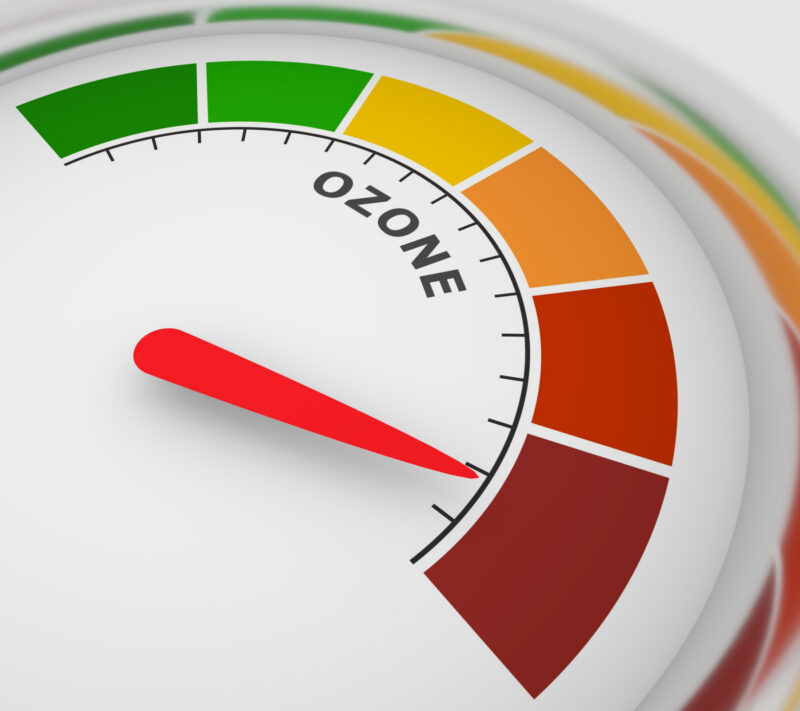
Exposure to higher levels of ground-level ozone may significantly increase the risk that children and teens will develop multiple sclerosis (MS), a new Italian study suggests. Researchers found that for every unit increase in ozone levels in the three years preceding the first MS symptoms,…
Tweet At the moment, Young doctors in the UK are on strike for more pay, their Union, the British Medical Association however says they can’t afford to pay their own staff a similar pay increase, yet they expect the Government to cough up for the…

Until my relapse last summer, multiple sclerosis (MS) hadn’t really affected my daily life in nine years, so the recent MS Awareness Month made me pause. Living with the disease sometimes at the forefront and sometimes in the background has shown me how much the…